What If I'd Never Left?
If you're Mauritian and living abroad, you'll know the feeling — that bittersweet toggle between the life you have and the one you left behind. This one's for you.

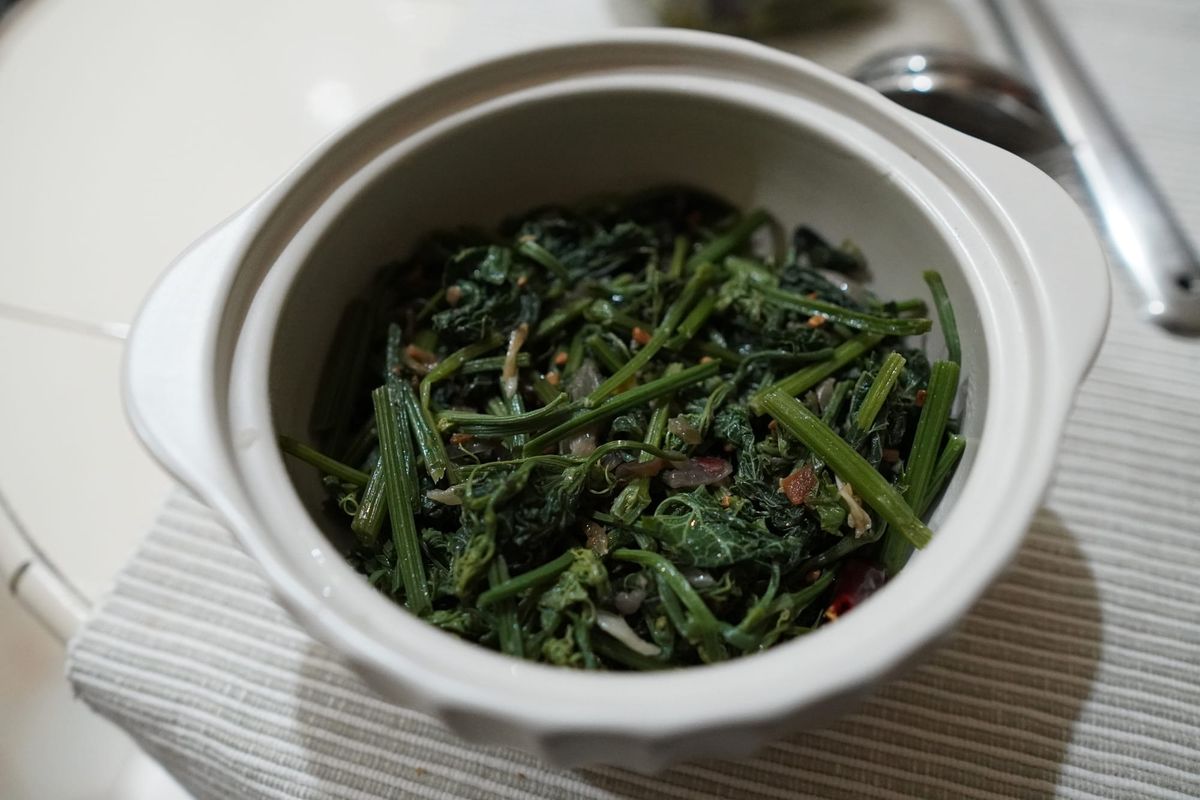
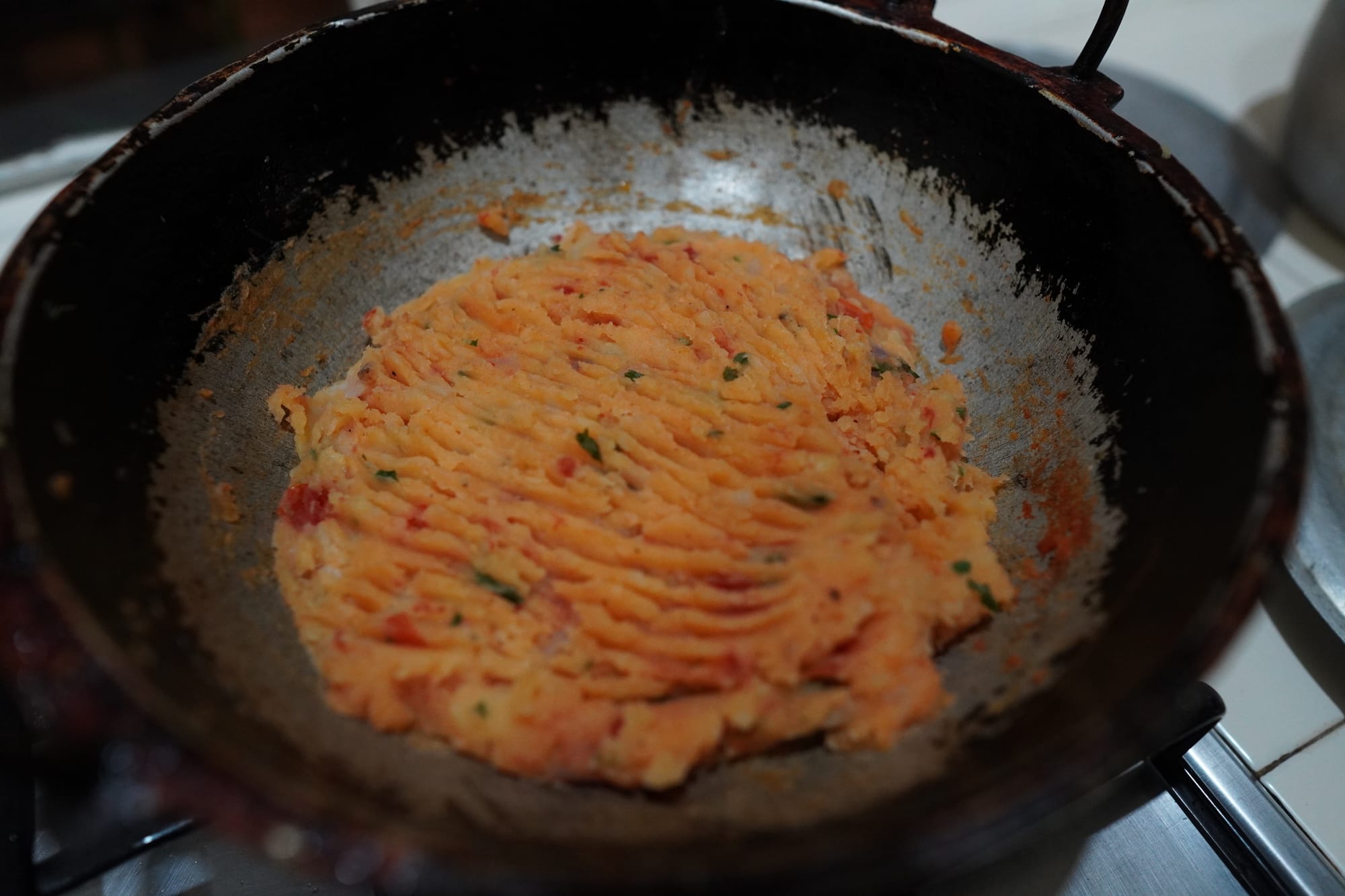
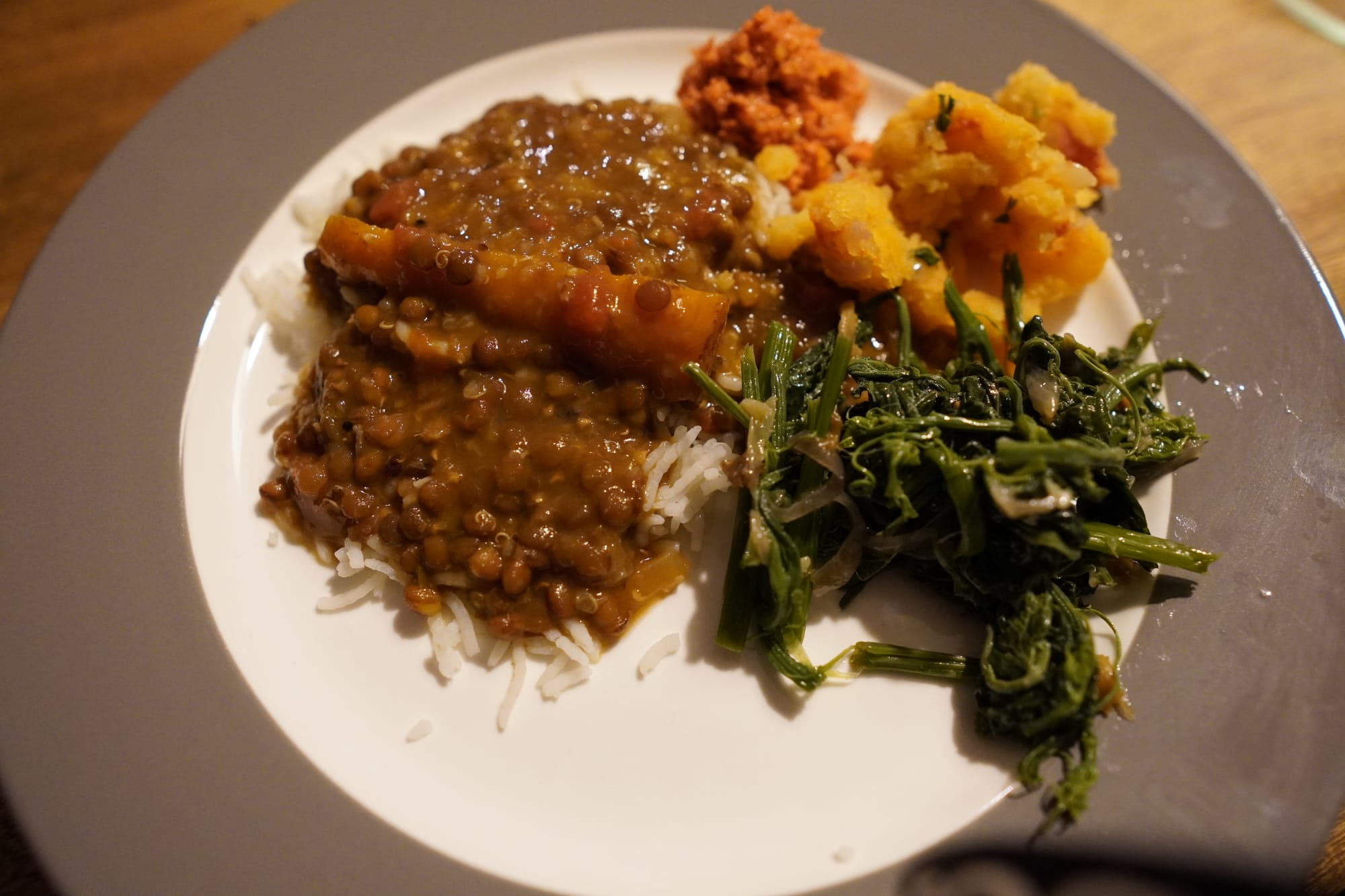
Here is a meal I think about more than any restaurant I have ever reviewed. No ambience score, no service notes — just my Mom's kitchen, and the particular smell that hits you the moment you walk through the door after two years away. Rice on the stove. Lentils slowly thickening. Brede chouchou wilting down in a pan. Satini pomme de terre waiting quietly on the side. Nothing fancy. Nothing that would make a menu. And yet, without question, the best food I eat all year.
If you're Mauritian and living abroad, I suspect you know exactly what I mean. That first homecooked meal is its own kind of ceremony. Mom doesn't make a fuss about it — she just cooks, the way she always has, the way she probably always will. And somewhere between sitting down at that table and the last spoonful, something in you that had been held slightly tense for months quietly lets go. It tastes like arrival. It tastes like being known.
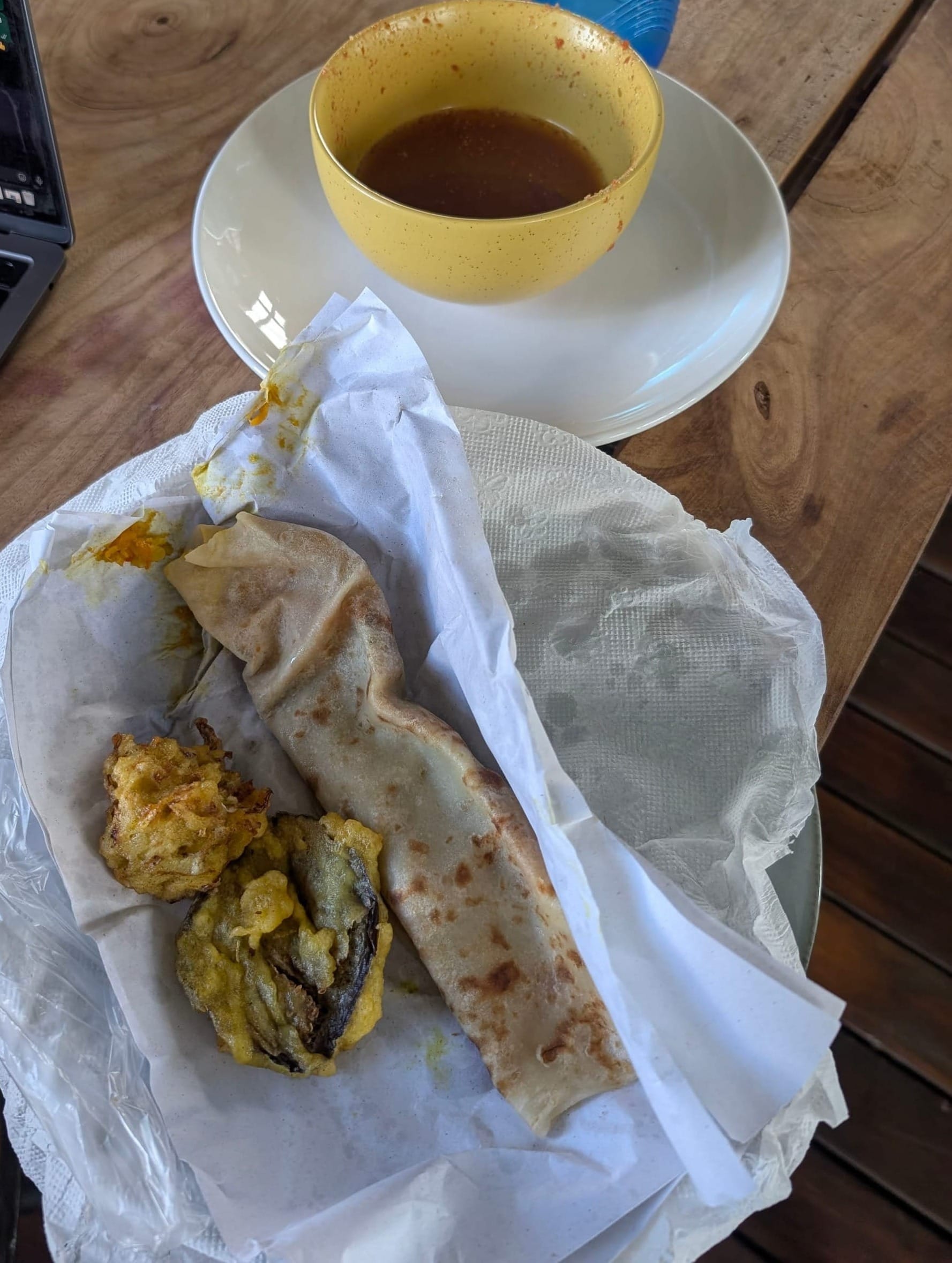
After a few days of Mom's cooking, the cravings shift — as they always do — to the street. Dholl puri, still warm, rolled tight around curry and chutney. Gateaux piments, crunchy and fiery, best eaten standing up with no particular plan. Mine frire, smoky from the wok, the kind of thing you order late and eat fast. This is the food of the island's everyday rhythm, and when you live abroad, you miss it with a specific, almost physical longing that no amount of home cooking quite fills. It's a different layer of the same hunger — and when you're only back for a couple of weeks, there's a quiet urgency to every meal.
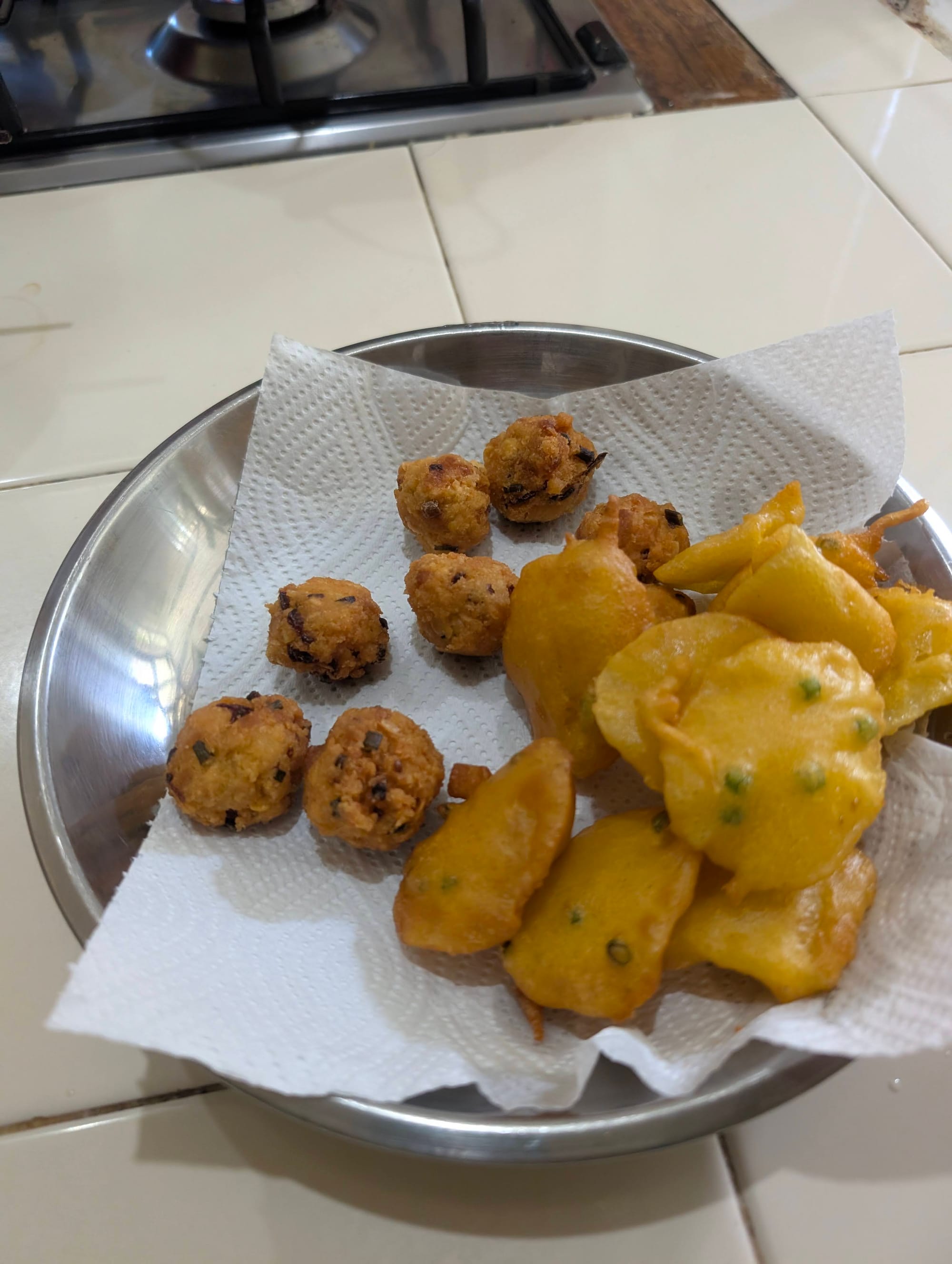
Belonging to two places means the longing never fully switches off. But it also means you are never fully without home.
On this particular visit, I found myself at Aapravasi Ghat — the UNESCO World Heritage site in Port Louis where indentured labourers first set foot on Mauritian soil in the 19th century. Standing there, reading about the hundreds of thousands of men and women who crossed oceans to reach this small island, I felt something shift in me. These were my ancestors. And their story was far harder than the word "voyage" suggests.
Many came under false pretenses — recruited with promises of wages and conditions that rarely materialised. They arrived into backbreaking work, far from everything they had ever known, with little recourse and almost no way back. The crossing itself was gruelling. What waited on the other side was often brutal. And yet, out of all of that — the deception, the exhaustion, the grief of displacement — they built something. Communities, recipes, languages, rituals. They planted seeds in soil that had not asked for them, and made it home anyway.
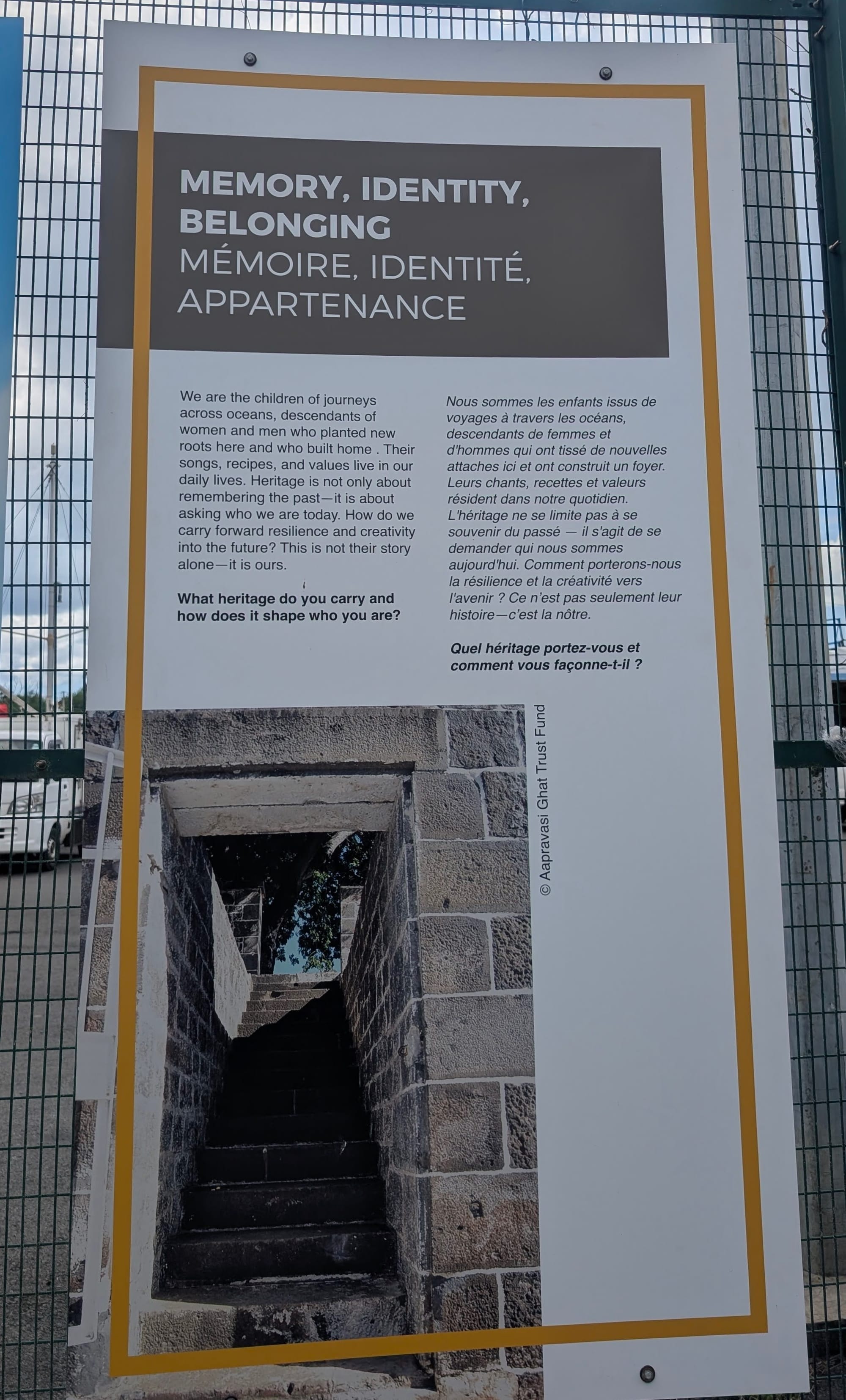
I crossed by well informed choice, with a return ticket and a passport. They did not. The parallel is imperfect and I hold it carefully. But standing at that waterfront, something in me recognised the instinct, even across the vast difference in circumstance — the willingness to leave, to cross to unfamiliar shores, to build a life from whatever you carry with you. That didn't start with me. It was handed down, long before I was born, by people who had far less and endured far more than I ever will.
It reframed everything. Because the question I'd been turning over — what if I'd never left? — suddenly looked different. Perhaps leaving wasn't a departure from my roots at all. Perhaps it was the most Mauritian thing I've ever done. Not because emigration is romantic, but because resilience is in the inheritance. The willingness to begin again, to make something new from what you've carried across water — that thread runs long and deep.
I've been thinking lately about the version of me that never boarded that plane fifteen years ago. She never left. She built her life within the warmth and noise and beautiful chaos of Mauritian family life — the long meals stretching into the evening, the rooms full of competing stories and energy, everyone fully, gloriously present. There is something genuinely wonderful about that, and I don't take it lightly.
The life I built instead — far from those roots, planting new seeds in different soil — comes with its own particular feeling. Not regret, not quite. More like a low hum of longing that never fully switches off. A missing that sits quietly alongside the happiness, not cancelling it out, just coexisting with it. You build a home somewhere new. You love it. You're proud of it. And you also carry, always, a gentle awareness of the distance.
What I notice on visits is that the joy of being back is real and full and uncomplicated — right up until a moment, usually small and unannounced, where I catch a glimpse of what the daily texture of that life might have felt like. Not better or worse — just different, and perhaps not quite the shape of me. I notice it with curiosity more than anything else. A quiet smile to myself. Oh, there it is.
That, I think, is the real answer to the question. Not that leaving was painless, or that staying would have been wrong — but that I was perhaps always going to go. Born into a lineage of people who crossed oceans and built lives from scratch, who carried their songs and recipes and words across water and made them mean something new. The longing I carry is simply the price of that inheritance. A bittersweet tax on a life well chosen — and, it turns out, a life long destined.
What I do know is this: belonging to two places is one of the stranger gifts a life can hand you. It means you are never fully settled — but it also means you are never fully without home. Somewhere, always, there is a kitchen that smells like rice and lentils and brede chouchou. Somewhere, there is a street corner with the best dholl puri you've ever had. And if you're planning your next visit, I've written about what to do and where to stay — though no itinerary will quite prepare you for that first smell at the door.
And somewhere, there is a departure gate that asks you, every single time, whether you're sure.
I am. And I'm not. And I think that's exactly as it should be.
About me...I'm Lorna Rose and, by day, I work in the tech industry, but in my heart of hearts, I've always been fascinated by the story that food tells. The magic of a well-cooked meal, the way a simple dish can bring people together, spark conversation, and create lasting memories. On Happy Bellies, I set out to explore and find hidden gems, so that I can indulge in telling stories around food that will make you want to go out and create your own foodie adventures.
Keep reading:
 Lorna Rose