Where to Stay in Mauritius: An Honest Guide by Region, From Someone Who Grew Up There
Where to stay in Mauritius by region, from a Mauritian: the north for families, east for luxury, west for sunsets, and the south for adventures.

This post contains affiliate links, marked (ad). If you book through one I earn a small commission at no cost to you. Every place I recommend is somewhere I've stayed, eaten or been dragged to by a relative.
Every few months a friend messages me the same thing: "We're finally doing Mauritius. Where do we stay?" And every time I start typing an answer, I realise it's longer than they were expecting.
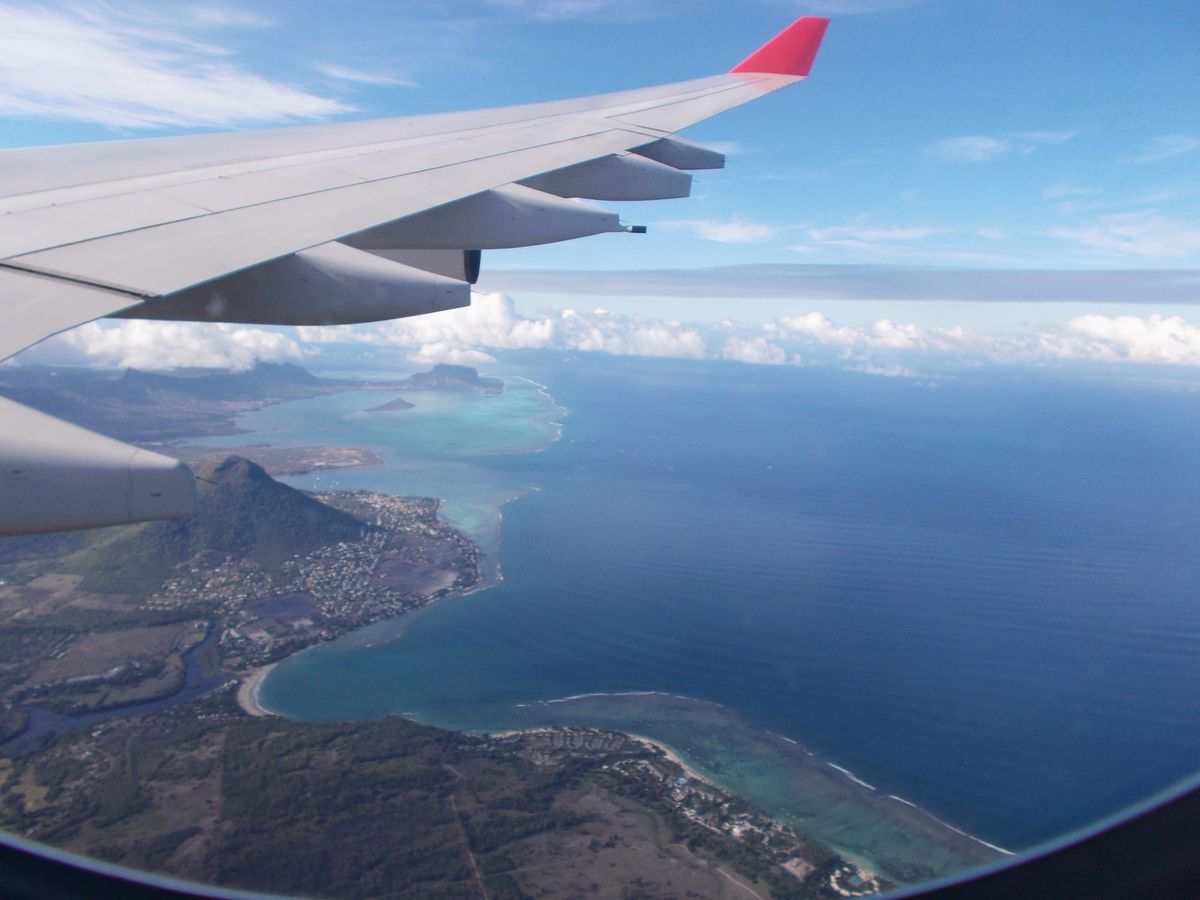
That's because the island is small enough to drive across in two hours and yet every coast has a completely different personality. The north is busy and easy. The east is quiet and expensive. The west is where the sunsets and the nightlife are. The south is wild and not for swimming. And the middle is where Mauritius actually lives and works, which most tourists never see.
So here's the answer I'd give you over a cup of tea, region by region, with the places we've actually stayed and the ones I'd steer you away from. If you're travelling with a family who eat differently — a vegetarian, someone who's gone off meat, and a couple of committed carnivores — there's a section for you too, because it changes which kind of hotel you should book.
The short answer
| Region | Best for | Skip it if | Our pick |
|---|---|---|---|
| North | Families, first-timers, calm lagoons, easy everything | You want seclusion | Zilwa Attitude |
| East | Honeymoons, total switch-off, the big luxury names | You want to wander out for dinner | Constance Prince Maurice |
| West | Sunsets, nightlife, street food, self-catering | You hate crowds in high season | Airbnb, Flic en Flac or Tamarin |
| South | Day trips: cliffs, forest, waterfalls | You want to swim from the hotel | Don't stay — visit |
| Centre & Port Louis | Culture, markets, hiking, the real island | You came purely for a beach holiday | The Westin Turtle Bay |
The North: easy, lively, built for families
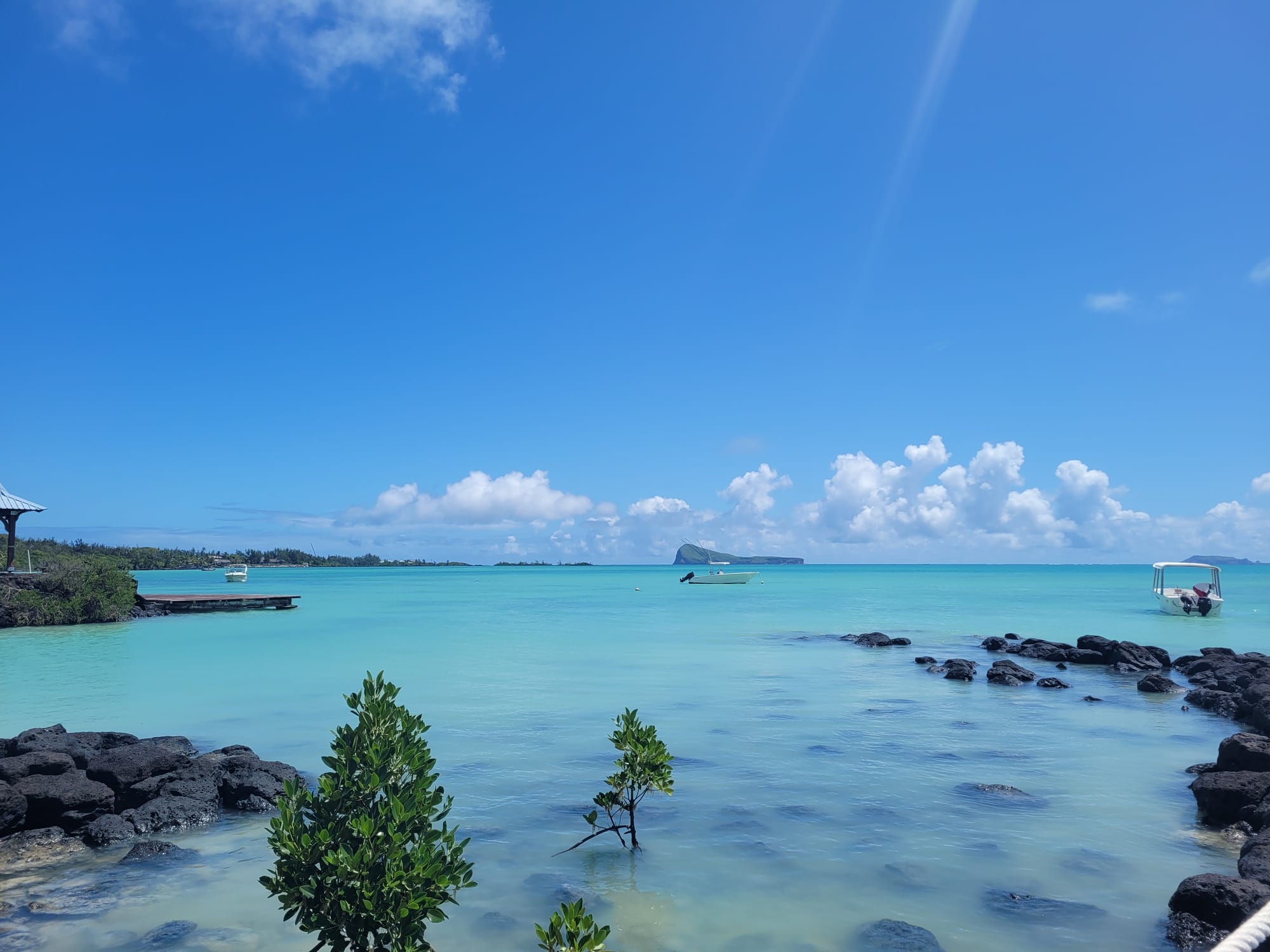
Best for: families, first visits, anyone who wants a calm lagoon in front of them and a supermarket, pharmacy and a dozen restaurants within ten minutes.
The trade-off: it's the most developed coast. Grand Baie can feel touristy in the way any busy resort town does. An all-inclusive takes the edge off that because you're not fighting for a table every night.
Where we stay: Zilwa Attitude (ad). We've stayed there twice, which tells you most of what you need to know. It's a resort that has clearly been designed by people who wanted it to feel Mauritian rather than generic — Creole architecture, colours that belong on the island, and street-food vendors inside the resort so you can eat a dholl puri without leaving the grounds. It's a family place. If you're a couple wanting hush and linen, there are more polished options nearby and Zilwa will feel a bit boisterous.
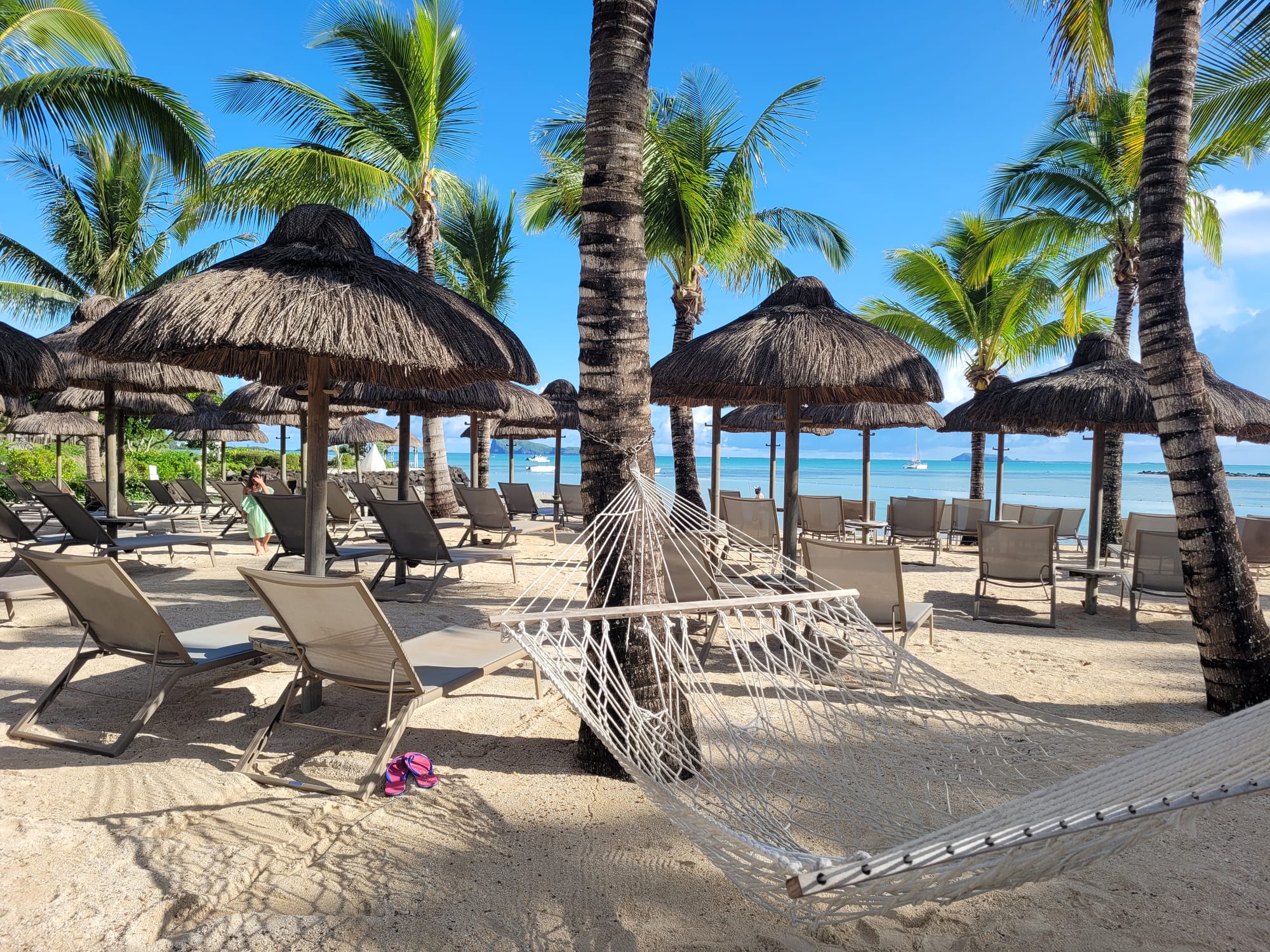
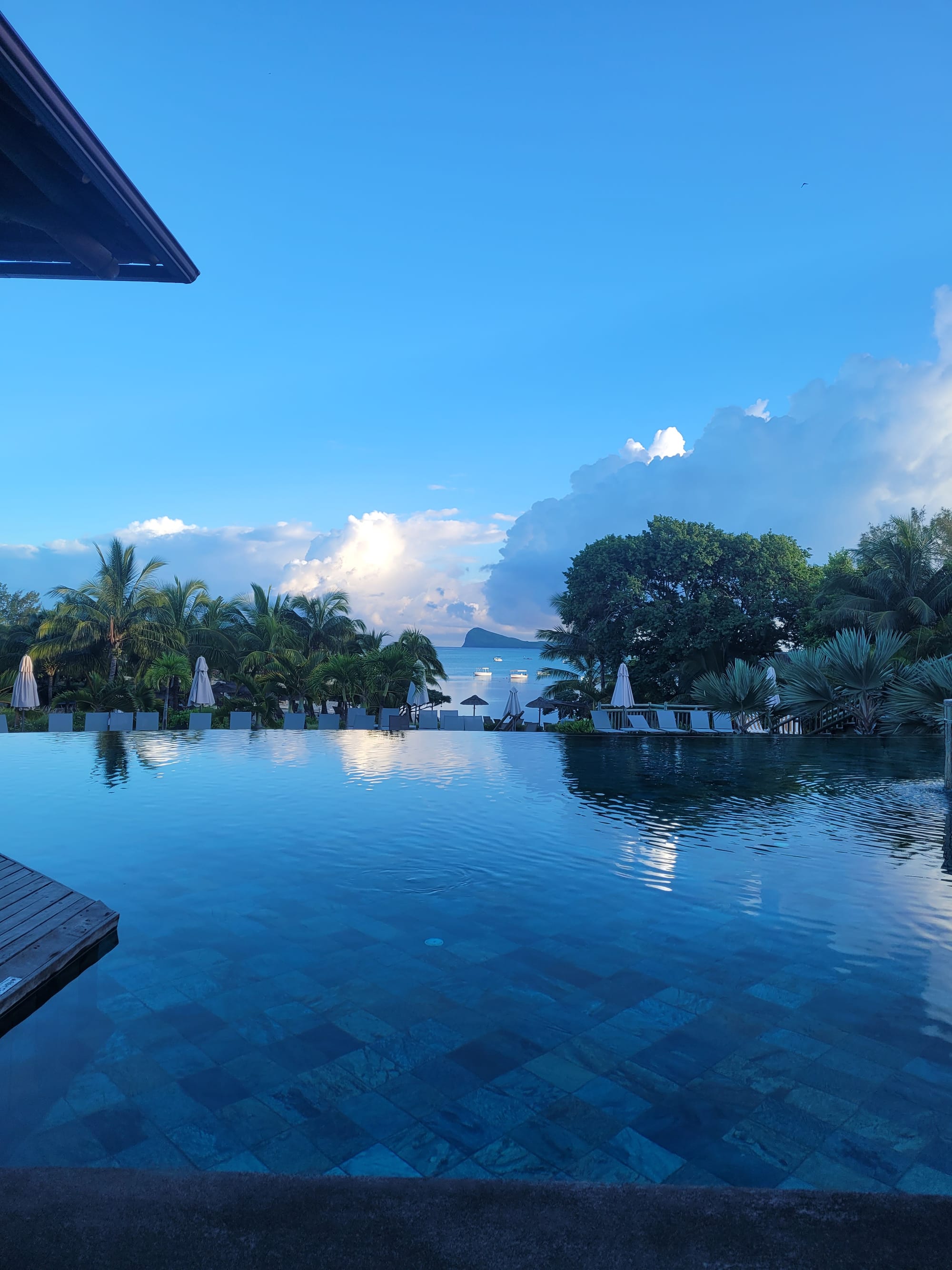
The one we wouldn't go back to: The Ravenala Attitude, on the north-west coast at Balaclava. Gorgeous grounds, lovely staff, and a stream of apologies we shouldn't have needed. I've written the whole story in The Ravenala Attitude: should you go? — short version, no.
Insider line: You must visit the seafood shack on the beach in the north (Lakaz Sandrine at Cap Malheureux), or if you're feeling a bit romantic, check out Le Capitaine, a beachfront restaurant in Grand Baie.
The East: the quiet, expensive coast
Best for: honeymoons, anniversaries, anyone whose plan is to lie down for a week. This is where the big luxury names sit on long, empty beaches, and it's the coast to choose if indulgence is the point.
The trade-off: there's very little around. You'll eat, drink and shop inside the hotel, because the alternative is a drive. For some people that's the whole appeal. For others it's a week of the same buffet.
Where to stay: I've heard great things about Constance Prince Maurice, a long standing establishment (ad) that favours great hospitality and high standards.
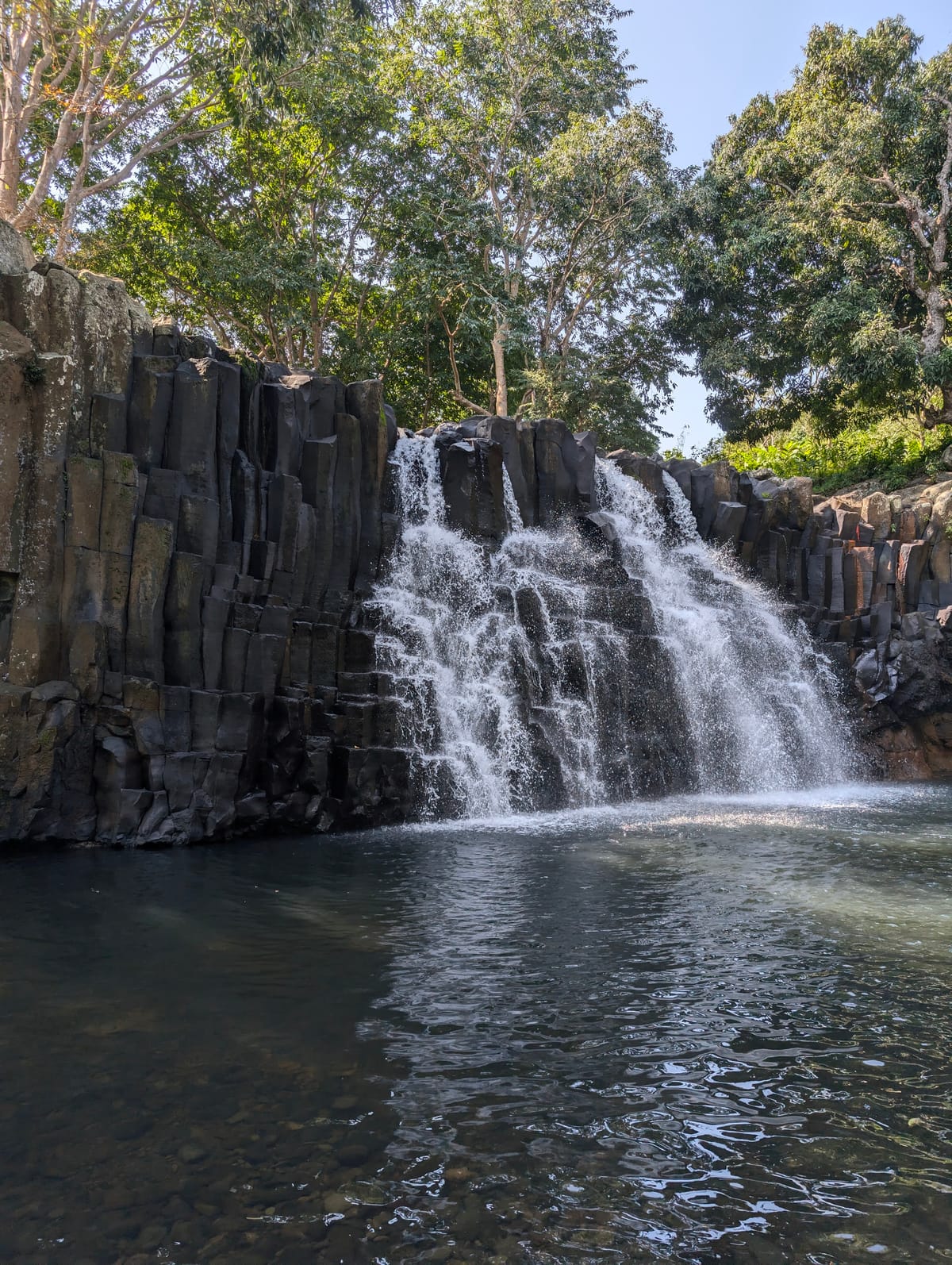
Worth leaving the hotel for: a catamaran day to Ile aux Cerfs, and the waterfalls at Grand River South East on the way back. Book the catamaran through your hotel or Viator (ad); the boats that leave from Trou d'Eau Douce are the ones we've used.
Insider line: Bring a good camera, embrace the snorkelling and get ready for a delicious BBQ buffet onboard. Make sure to lather up in sun cream though, it gets very hot out at sea!
The West: sunsets, dolphins and the best street food on the island
Best for: people who want a beach by day and somewhere to go at night. The west coast is sociable — sunset bars, dolphin-spotting boats at dawn, and a proper mix of resorts and self-catering places. It's the coast where Airbnb makes sense, especially for a family that wants a kitchen.
The trade-off: it's got busier, and some of the beaches are crowded in high season and around events.
Where to stay: Pick an Airbnb in Flic en Flac or Tamarin if you want lots of options for bars, restaurants etc within walking distance.
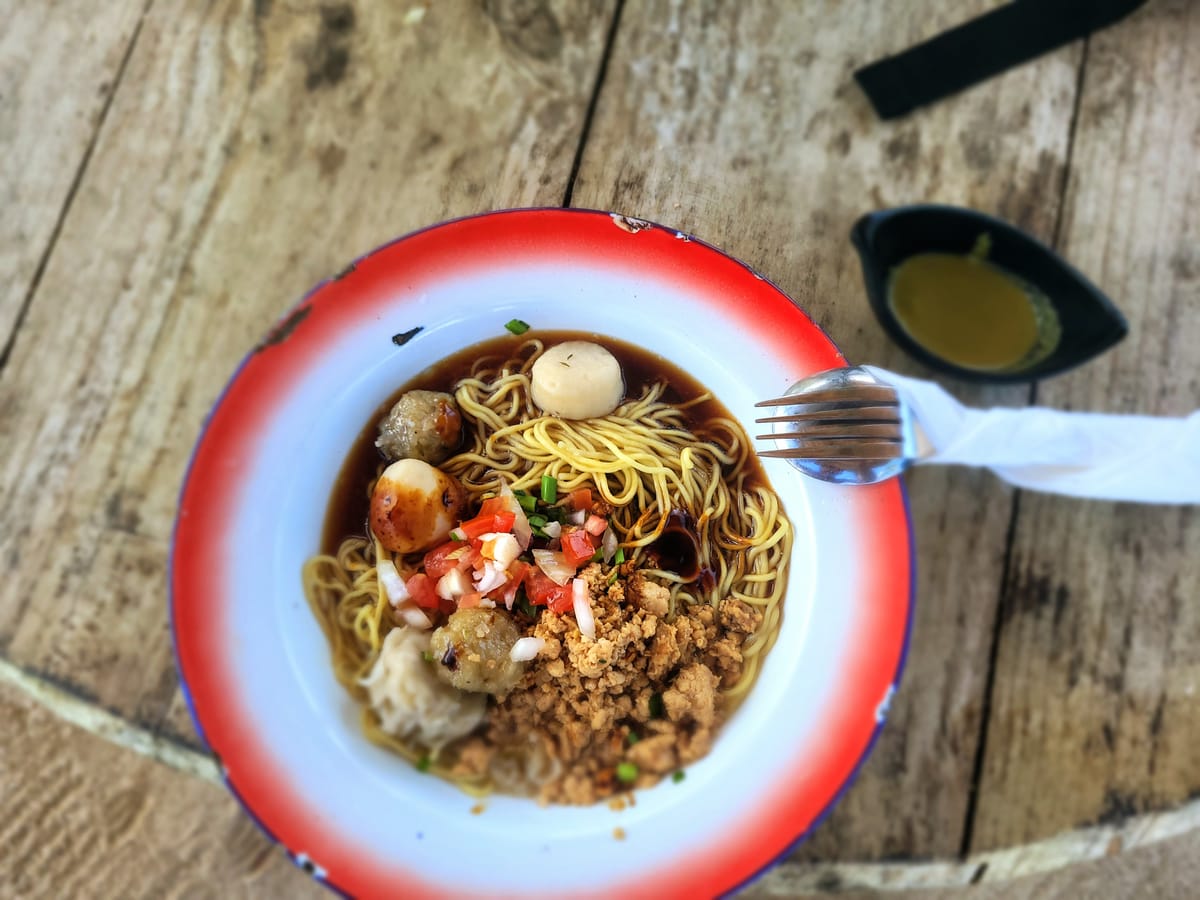
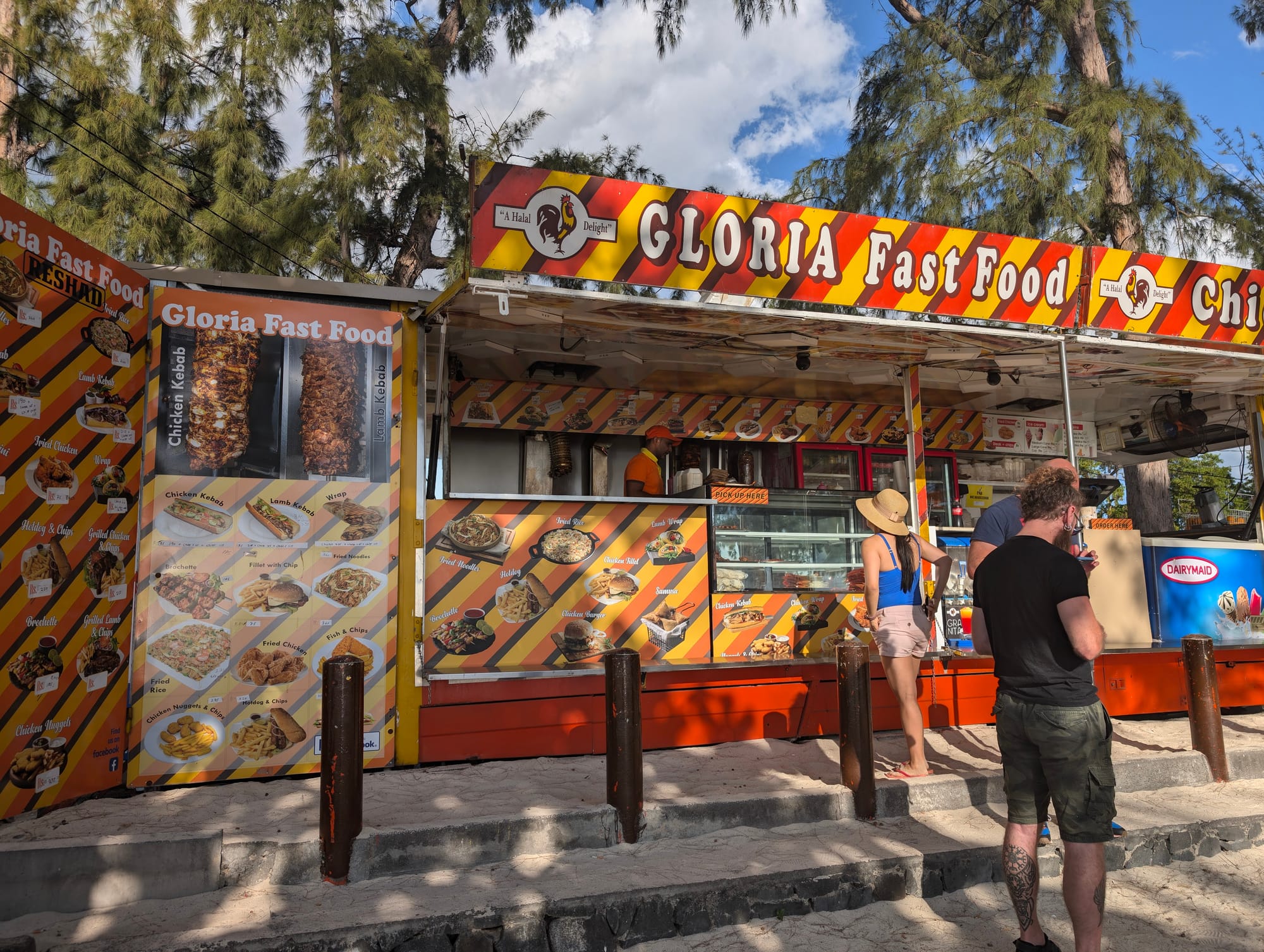
Where to eat: this is the reason I'd never book full board on the west coast. The street-food stalls along the Coastal Road are some of the best eating on the island, and my favourite is a stall called Gloria — fried noodles and mine bouilli that I think about in the middle of an English winter.
Insider line: Flic en Flac has incredible sea food shacks along the coast.
The South: don't stay here — but go
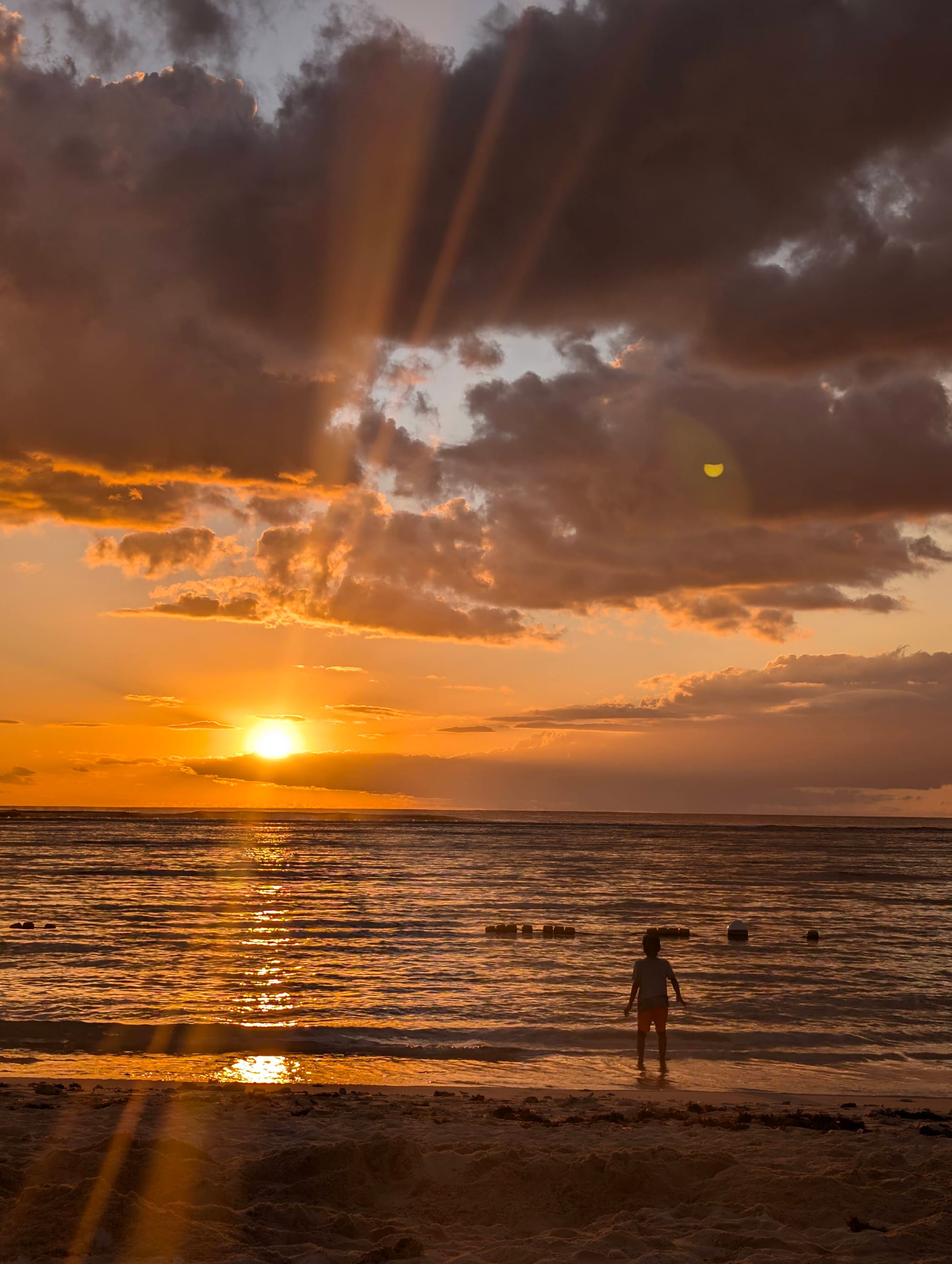
Best for: a day of the Mauritius that hasn't been landscaped. Cliffs, forest, waterfalls, wind, and almost no hotels.
The trade-off: there's no reef along much of the south coast, so the sea is open ocean with real currents. It isn't for swimming, and it isn't where you want to be based with small children.
What to do instead: a day trip. Climb or at least look at Le Morne Brabant, the mountain that is also a UNESCO site and a memorial. Drive through Black River Gorges National Park, which is the closest thing the island has to wilderness. Have lunch at La Falaise Rouge, a restaurant on the cliff edge where the view does most of the work.
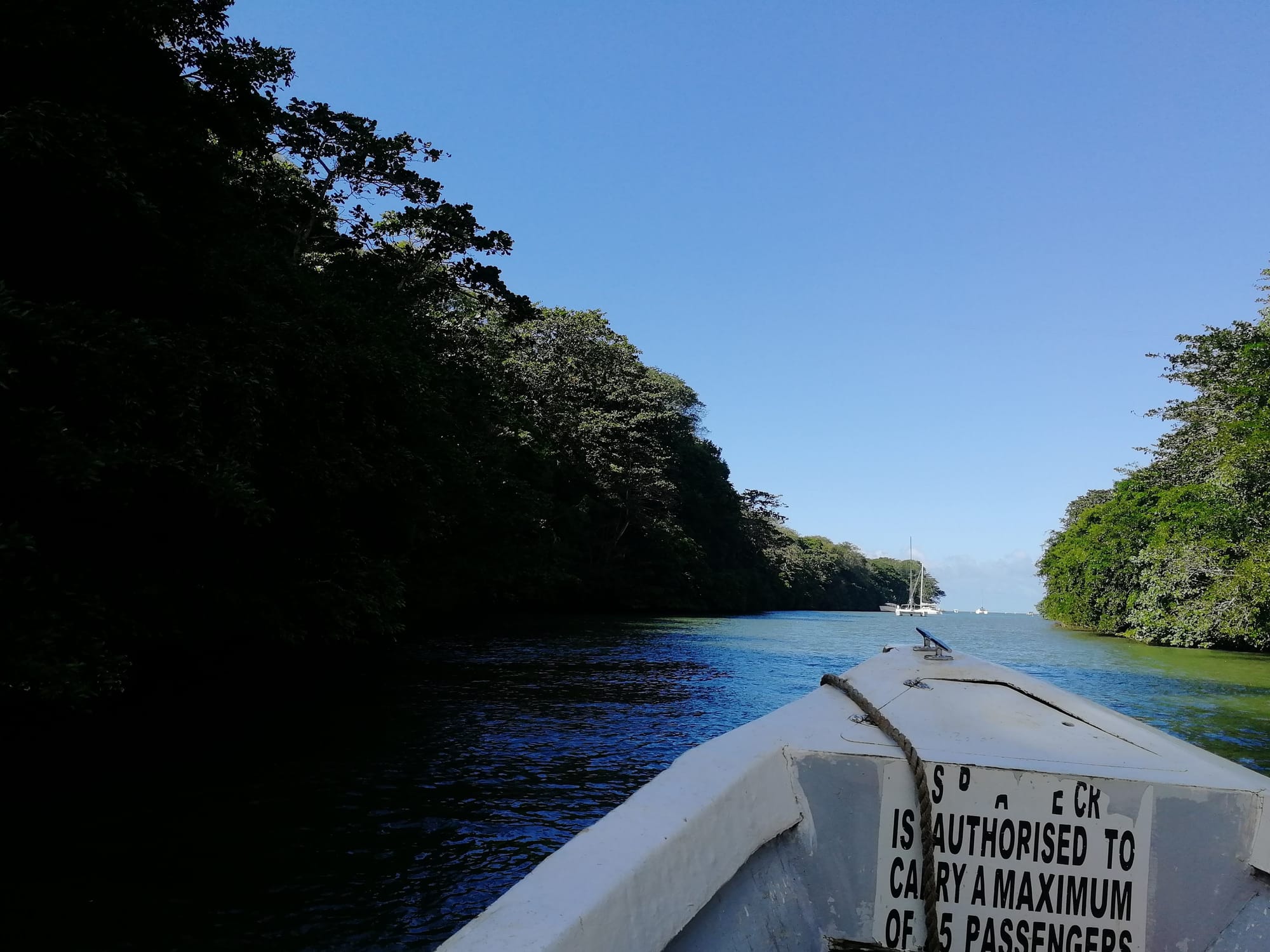
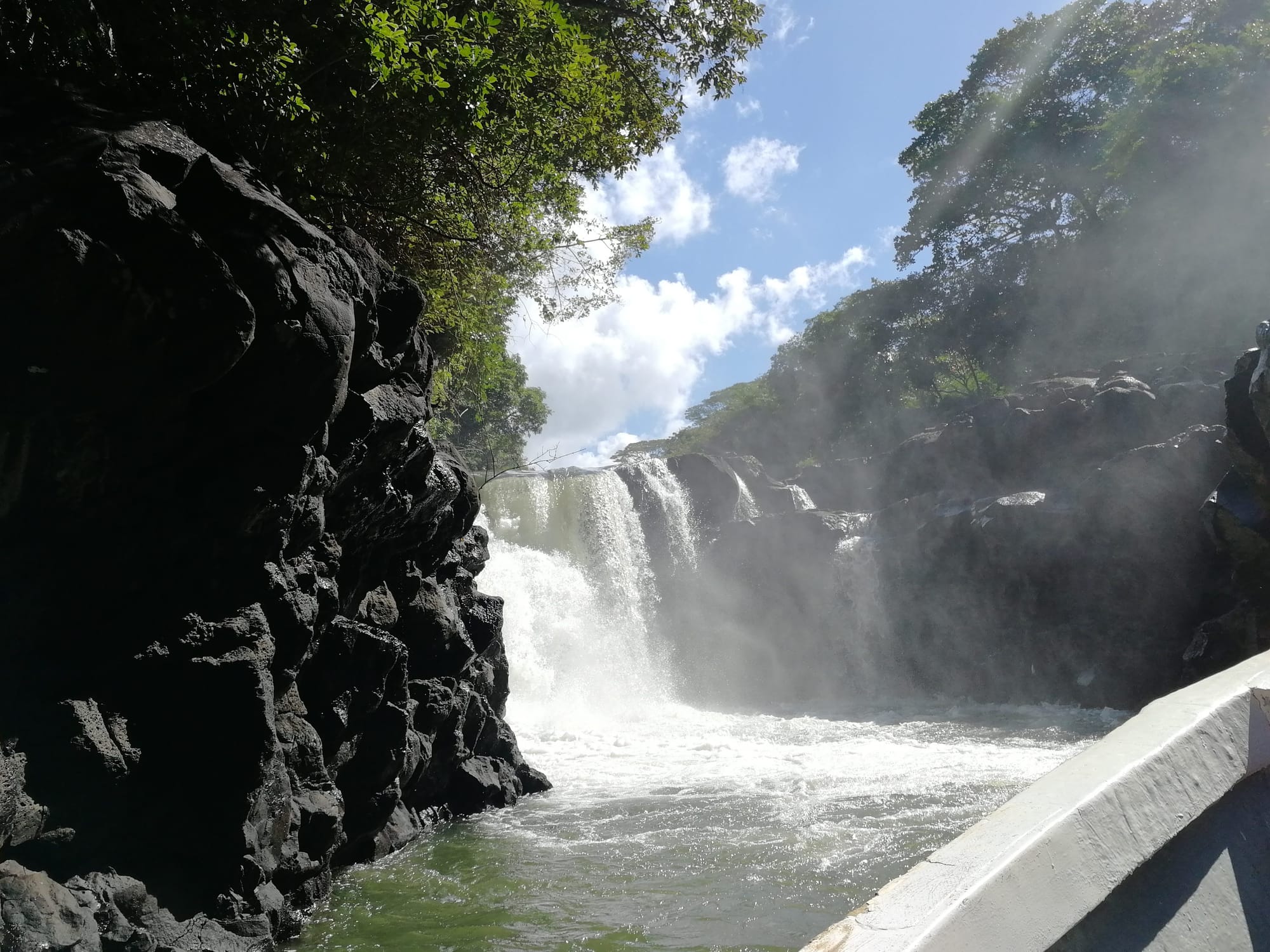
Book a driver for the day rather than a coach tour — so you can stop when the view demands it.
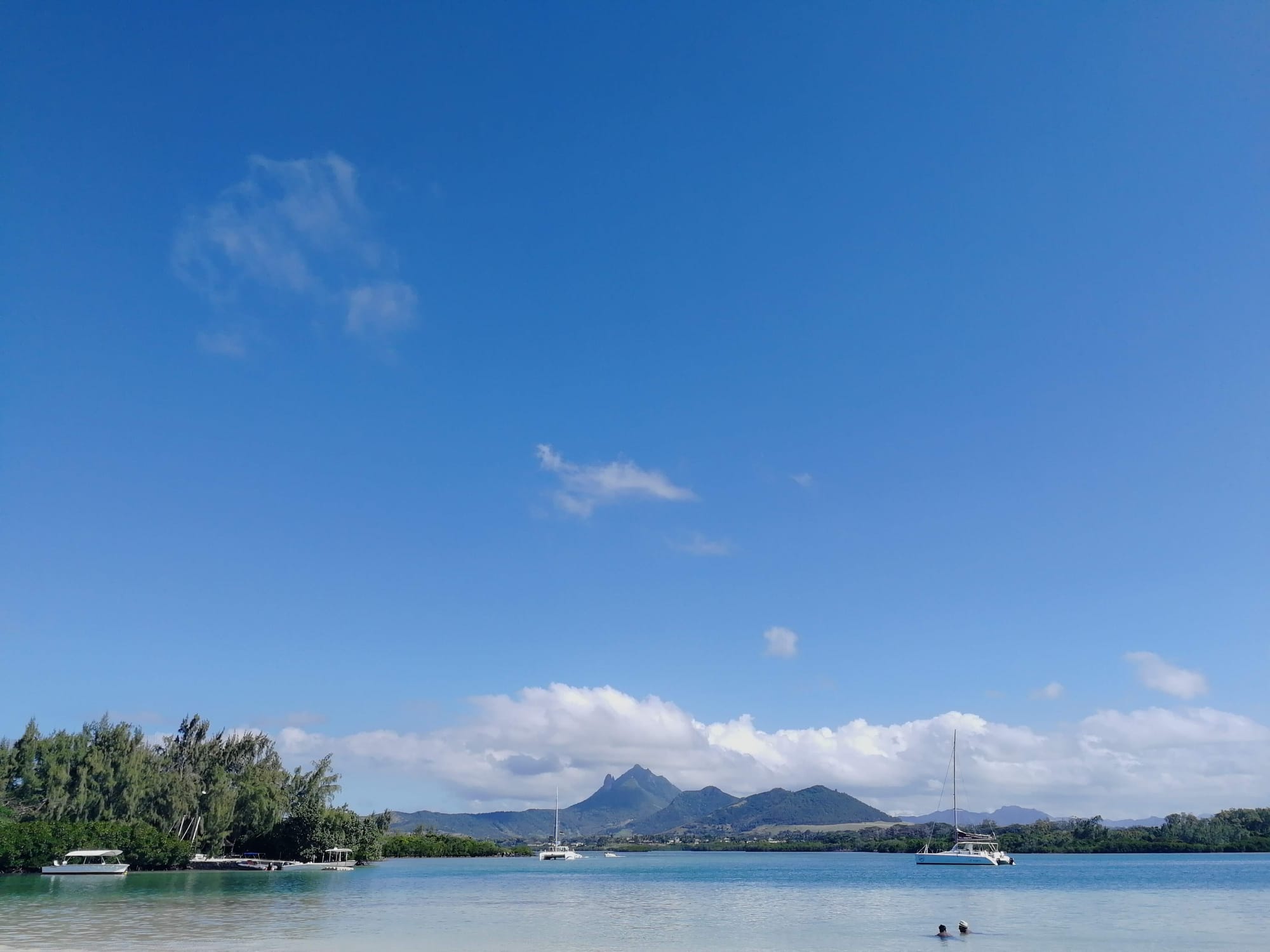
The Centre and Port Louis: Mauritius at work
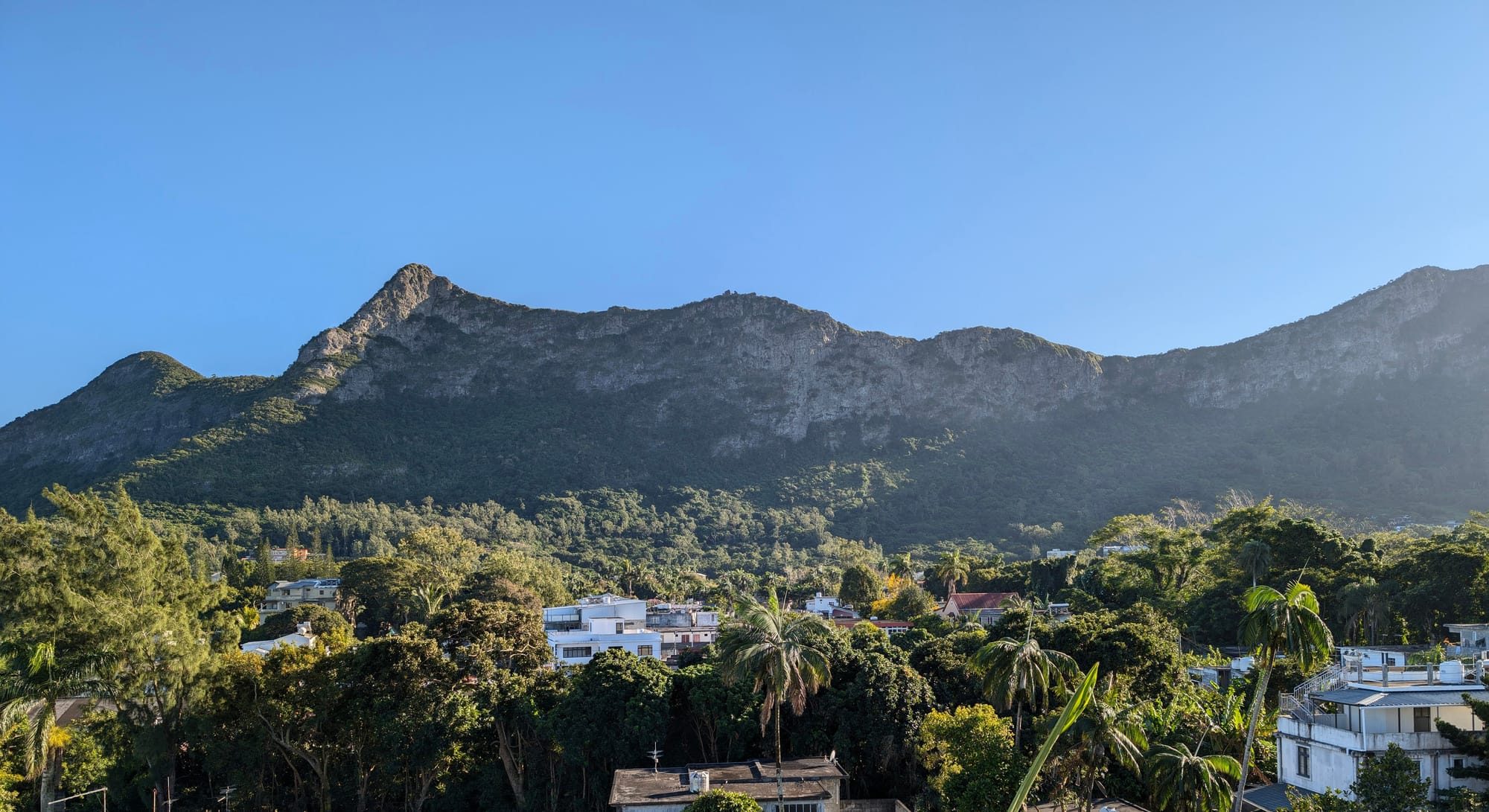
Best for: anyone who wants to see the island rather than only its edges. Port Louis and the central plateau are where Mauritians live, work and shop. There's barely a beach to speak of, but there's hiking, the market, and the history that made us.
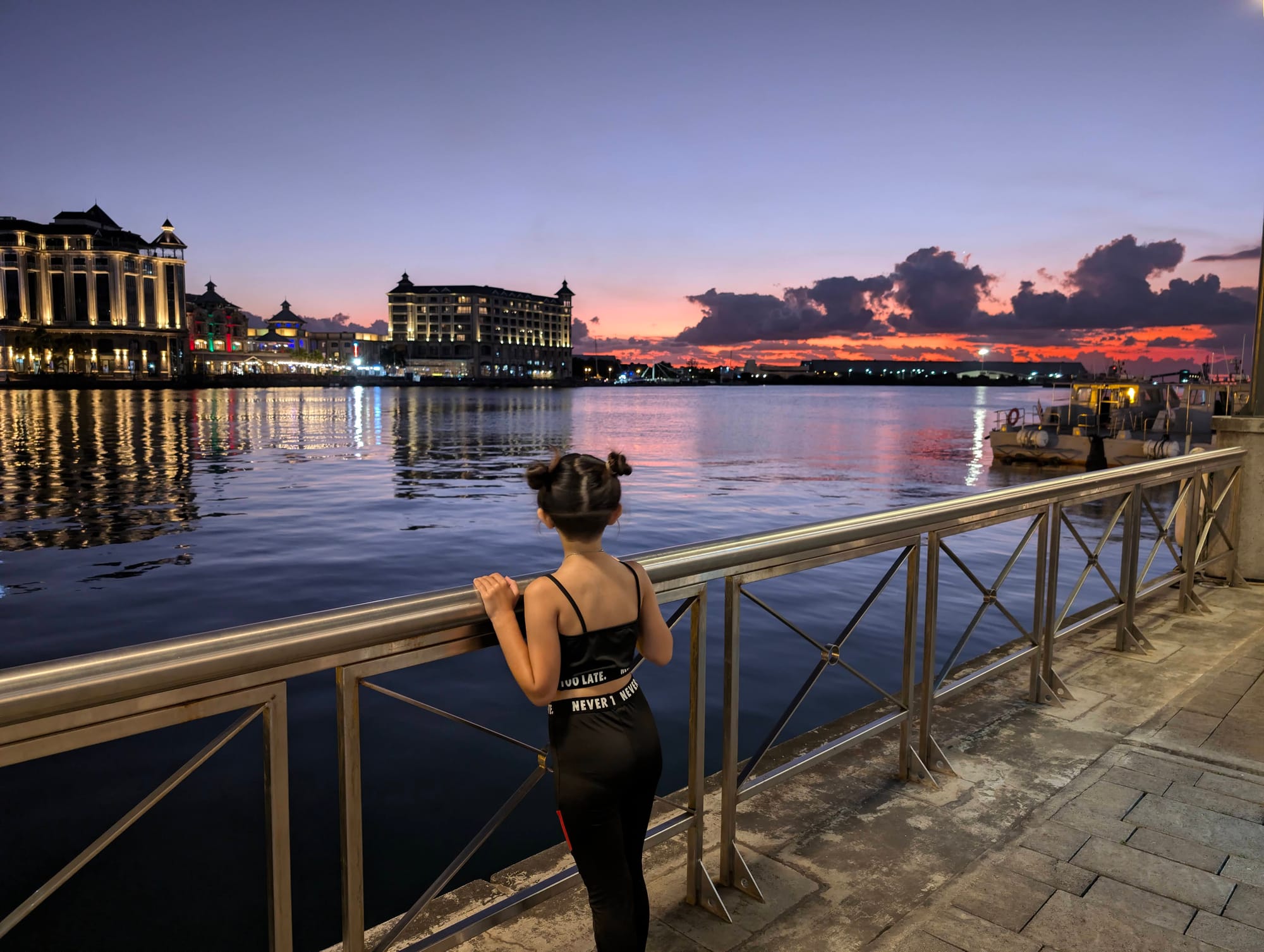
Where to stay: The Westin Turtle Bay (ad), my favourite base close to the capital. It's a five-star family resort on the north-west coast, about twenty minutes from Port Louis, with restaurants across several cuisines and staff who actually notice you. What I love most is the marine conservation work: the lagoon in front of the hotel is alive, you can snorkel it at low tide, and most afternoons the dolphins come in.
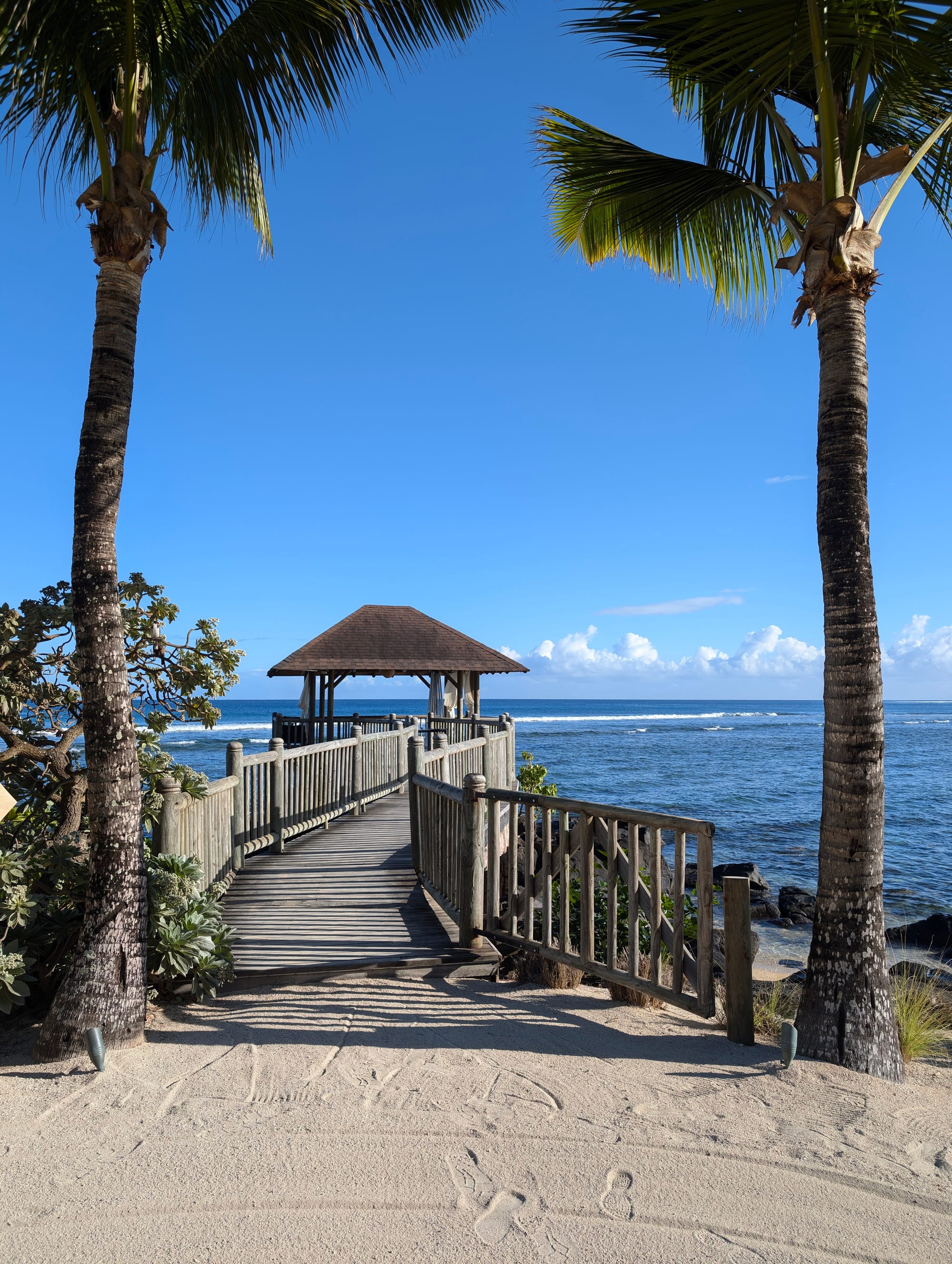
Don't miss: Port Louis Market, early, before the heat; Aapravasi Ghat, the UNESCO site where indentured labourers first stepped onto the island — go, and take the kids.
Insider line: Don't be afraid to haggle!
If your family eats differently
This is the bit I wish someone had written for us.
In our house I've mostly stopped eating meat, my daughter is vegetarian, and my son and the rest of the family are not. That changes which kind of hotel to book more than anything else on this page.
All-inclusive is easier than you think for vegetarians — but only at the right hotels. Mauritian food is naturally kind to people who don't eat meat. Dholl puri, gateaux piment, fried noodles, a proper vegetable curry, fish vindaye, octopus curry, grilled fish with rougaille: none of it needs adapting. The question is whether the hotel actually cooks Mauritian food or just an international buffet with a vegetable lasagne at the end. At Ravenala Attitude (affiliate link) the only genuinely good vegetarian and fish eating was at Kot Nou, the Mauritian tapas restaurant, and at Taba J, the beach kiosk doing dholl puri and biryani every day — the rest was the same tired buffet. At Zilwa the street-food stalls inside the resort do the job every night (ad). Ask before you book: is there a Mauritian restaurant on site, and is it included?
Half-board or bed-and-breakfast is the better deal on the west and north coasts, because the street food and local restaurants are so good and so cheap that paying for dinner in advance is a waste. On the east coast, where there's nothing outside the gate, go all-inclusive and pick the hotel with the most restaurants.
Self-catering works if one of you likes to cook. Markets are cheap, fish is fresh, and you'll eat better than most resort guests.
When to go
Mauritius is warm all year. The southern-hemisphere summer, roughly November to April, is hotter and more humid, with cyclone season broadly January to March. The cooler, drier months from May to July are the ones most Mauritians would tell you to visit in, though the east coast gets windy then. I prefer this period too because it's right in between the hottest months and the Mauritian winter.
Questions I get asked every time
Do we need a car? On the north and west coasts, not really — taxis and hotel transfers cover most of it. For the south and the centre, hire a driver for the day; it's cheaper than a rental once you factor in the roads and the roundabouts. Uber has also made its debut in Mauritius recently, which was very handy when we last visited.
Is it safe to swim everywhere? Inside the reef, yes, and the lagoons on the north, east and west coasts are calm enough for small children. On the south coast, no.
How many nights? Ten is right. Seven and you'll spend two of them getting over the flight. Fourteen and you'll want to move hotels halfway, which is also fine — north for the first week, east or west for the second is a classic combination.
Should we split the stay between two hotels? If you have ten nights or more, yes. The island is small enough that the transfer is an hour and the two coasts feel like two holidays.
Before you book
Pick your base by the atmosphere you want — lively, hushed, or wild — and don't worry too much about the rest, because nothing on the island is more than two hours away. Then read What to Do in Mauritius and Eating Your Way Around Mauritius, because the food is the real reason to go.
If you've been and disagree with any of this, tell me in the comments. I'm Mauritian; I can take it.
I'm Lorna — Mauritian appetite, Midlands postcode, and a habit of planning holidays around lunch. I write about the food that got me here and the food worth travelling for.
Keep reading:
 Lorna Rose
 Lorna Rose